


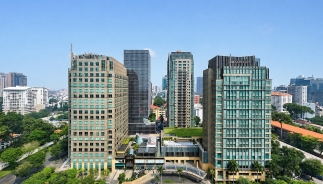





Finding a Home in Ho Chi Minh City
From Search to Lease
Ho Chi Minh City offers a wide range of housing options for international professionals, families and newcomers, from serviced apartments and condominiums to townhouses and villas.
With significant differences between neighborhoods, buildings, property types and rental terms, finding the right home requires more than browsing listings.
Location, commute, schools, lifestyle, building quality and total housing costs should all be considered before making a decision.
A structured search can help renters narrow down suitable options, compare properties objectively and move through the leasing process with greater confidence.
Start With Your Requirements
Before searching for properties, define what you actually need.
Important considerations include:
- Preferred neighborhood.
- Workplace location.
- School location.
- Monthly housing budget.
- Number of bedrooms.
- Furnished or unfurnished property.
- Preferred property type.
- Move-in date.
- Lease duration.
- Parking requirements.
- Pet requirements.
- Building amenities.
- Lifestyle preferences.
For families, school location and commuting time may be more important than the size or appearance of the property.
For professionals, proximity to the workplace, transportation and access to restaurants and services may be higher priorities.
A clear set of requirements makes the search more focused and reduces time spent viewing unsuitable properties.
Choosing the Right Neighborhood
Ho Chi Minh City has many residential areas, each offering a different combination of location, housing, amenities and lifestyle.
International residents commonly consider areas such as:
- District 1.
- Thao Dien.
- An Khanh.
- Thu Thiem.
- Binh Thanh.
- District 3.
- Phu Nhuan.
- Tan Binh.
- Phu My Hung and other parts of District 7.
The best neighborhood depends on individual circumstances.
A central location may reduce commuting time but come with higher housing costs or a busier environment. Areas farther from the center may offer larger properties, newer developments or a quieter lifestyle.
Rather than choosing an area based only on reputation, consider how it works with your daily routine.
Understanding the Local Rental Market
Rental properties in Ho Chi Minh City vary significantly in price, quality and services.
Common options include:
Serviced Apartments
Serviced apartments are often furnished and may include services such as housekeeping, reception, security and utilities.
They can be convenient for short- or medium-term stays and employees relocating to Vietnam.
Furnished Apartments
Furnished apartments are widely available in condominium developments and residential buildings.
They can offer more space and privacy while providing access to building amenities such as pools, gyms and parking.
Townhouses
Townhouses may provide more living space and can be suitable for families or people who need additional bedrooms, workspaces or private outdoor areas.
Villas
Villas generally offer more space and privacy and may include gardens, pools or other private facilities.
They are often considered by larger families or residents with higher housing requirements.
Search for Suitable Properties
Once your requirements and preferred areas are clear, the next step is to identify suitable properties.
Sources may include:
- Real estate websites.
- Real estate agents.
- Relocation companies.
- Property management companies.
- Developers.
- Landlords.
- Personal recommendations.
Online listings can be useful for initial research, but information such as availability, pricing, furniture condition and building services should be confirmed before arranging a viewing.
A property that appears available online may already have been rented or may have changed in price or condition.
Compare the Total Housing Cost
The advertised monthly rent is not always the total cost of living in a property.
Depending on the property, additional costs may include:
- Electricity.
- Water.
- Internet.
- Management fees.
- Parking.
- Cleaning.
- Maintenance.
- Building services.
- Other utilities.
Some properties include certain services in the rent, while others charge separately.
Comparing the total monthly cost provides a more accurate basis for evaluating different properties.
View the Property
A property should be inspected in person whenever possible.
During a viewing, check:
- Overall property condition.
- Furniture and appliances.
- Air-conditioning.
- Water pressure.
- Natural light.
- Ventilation.
- Noise levels.
- Internet availability.
- Kitchen equipment.
- Bathroom condition.
- Storage space.
- Parking.
- Security.
- Swimming pool.
- Gym.
- Building management.
It is also useful to inspect common areas and the immediate surroundings rather than focusing only on the apartment itself.
If commuting is important, consider traveling between the property and workplace or school during peak hours.
Evaluate the Building
The apartment is only one part of the rental decision.
The building can have a significant impact on everyday life.
Consider:
- Building management.
- Maintenance response.
- Security.
- Elevators.
- Parking.
- Fire safety systems.
- Common areas.
- Noise.
- Waste management.
- Swimming pool and gym.
- Access control.
- Rules for residents and visitors.
A well-maintained apartment in a poorly managed building may create more problems than expected.
Review the Lease Terms
Before committing to a property, review the lease carefully.
Important terms may include:
- Monthly rent.
- Lease duration.
- Security deposit.
- Payment schedule.
- Rent increases.
- Notice period.
- Early termination.
- Maintenance responsibilities.
- Utility payments.
- Furnishings and equipment.
- Property handover.
- Subleasing.
- Pets.
- Additional occupants.
Both the tenant and landlord should have a clear understanding of their responsibilities.
For international tenants, it is also important to ensure that the lease documentation is appropriate for their circumstances.
Check the Deposit and Payment Arrangements
A security deposit is commonly required when renting a property.
Before making a payment, confirm:
- Amount of the deposit.
- Payment recipient.
- Payment purpose.
- Refund conditions.
- Circumstances that may affect the refund.
- Payment schedule.
Keep copies of the lease, payment records and relevant correspondence.
Clear documentation can help prevent misunderstandings later.
Document the Property Before Moving In
Before taking possession of the property, document its condition.
Photographs or videos can be used to record:
- Furniture.
- Appliances.
- Walls.
- Floors.
- Doors and windows.
- Bathrooms.
- Kitchen equipment.
- Existing damage.
This provides a record of the property's condition at the beginning of the lease and can be useful when the property is returned.
Consider Your Daily Commute
A property that looks attractive on a map may not be convenient during peak traffic.
Before choosing a home, consider actual travel times to:
- Workplace.
- School.
- Airport.
- Major business areas.
- Shopping and essential services.
For families, school drop-off and pick-up can significantly affect the practicality of a location.
The right home should work not only on weekends but also during a normal working week.
Finding a Home for Corporate Relocation
Companies relocating employees to Vietnam may have additional requirements.
Corporate housing searches may need to consider:
- Employee housing policies.
- Approved budgets.
- Preferred locations.
- Family requirements.
- School access.
- Lease duration.
- Corporate lease arrangements.
- Payment procedures.
- Employee arrival dates.
A coordinated housing process can help employees settle into Vietnam more efficiently while reducing the administrative workload for HR and mobility teams.
Common Mistakes to Avoid
Some common mistakes when searching for a home include:
- Choosing a property based only on photographs.
- Focusing only on monthly rent.
- Ignoring commuting time.
- Not checking the building management.
- Failing to inspect furniture and appliances.
- Not confirming additional costs.
- Signing a lease without understanding the terms.
- Failing to document existing damage.
- Paying a deposit without clear documentation.
- Choosing a property before comparing alternatives.
Taking additional time before signing can help prevent problems later.
From Search to Lease
A typical home-search process can follow these steps:
1. Define your requirements
Set your preferred area, budget, property type and move-in date.
2. Identify suitable properties
Shortlist properties that meet your key requirements.
3. Arrange property viewings
Inspect the property, building and surrounding area.
4. Compare options
Evaluate location, quality, total cost and suitability.
5. Negotiate terms
Discuss rent, deposit, lease duration and other conditions.
6. Review the lease
Confirm the rights and responsibilities of both parties.
7. Sign and pay
Complete the agreement and make the required payment.
8. Complete the handover
Check and document the property's condition before moving in.
Finding the Right Home in Ho Chi Minh City
Finding a home is an important part of relocating to Ho Chi Minh City. The right choice should provide a practical balance between location, property quality, cost, commute and lifestyle.
For international residents, professional support can make the process easier by helping identify suitable properties, coordinate viewings, compare options and navigate the leasing process.
Jardeon Group supports individuals, families and companies through Real Estate Consultancy and Global Mobility, connecting home search with relocation and settling-in requirements.
From identifying suitable neighborhoods to arranging property viewings and supporting the lease process, Jardeon helps clients make informed housing decisions in Ho Chi Minh City.
Looking for a home in Ho Chi Minh City? Explore the topics below or contact Jardeon Group to discuss your requirements